Are you ready to transform your backyard into the ultimate outdoor retreat? Designing an outdoor living space involves more than just setting up a few chairs or laying down some pavers. It’s about crafting a comfortable, functional area that meets your needs and enhances your lifestyle. Here’s a step-by-step guide to help you bring your vision to life.

Step 1: Determine Your Purpose
Before diving into design options, it’s important to define the purpose of your outdoor space. Ask yourself:
- Do you want a dedicated area for cooking and dining, like a custom outdoor kitchen with a built-in grill?
- Are you imagining a cozy lounge area with a fire pit for gathering with friends and family?
- Would you like a multi-purpose space that can accommodate everything from dining to relaxing to entertaining guests?
Knowing how you intend to use the space will guide your design choices and help you prioritize features.

Step 2: Choose the Right Layout
The layout of your outdoor space is key to creating a natural flow. Just as with indoor rooms, outdoor areas should be thoughtfully organized to maximize functionality. Consider:
- Zones for Different Activities: Create separate zones for cooking, dining, and lounging. For example, place your outdoor kitchen closer to the house for easy access while keeping the seating area further out for a more private, relaxed vibe.
- Focal Points: Highlight a central feature, like a fireplace, water feature, or dining table, to anchor the design and draw attention to your space.
- Walkways and Accessibility: Make sure there are clear paths connecting your home to your outdoor living space, and between each zone. This ensures easy movement and enhances the overall aesthetic.

Step 3: Select Durable, Weather-Resistant Materials
Outdoor living spaces are constantly exposed to the elements, so it’s essential to pick materials that can withstand the weather while looking stylish. Here are some materials to consider:
- Natural Stone and Pavers: These are great for patios and walkways because they are durable and come in a variety of colors and textures.
- Weather-Resistant Wood: Options like cedar and teak are perfect for furniture and pergolas as they resist rot and insects.
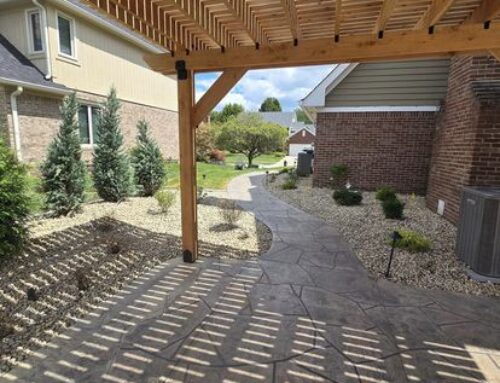
- Stamped Concrete: An upscale choice for patios and driveways, stamped concrete can mimic the look of brick, stone, or wood, offering a sleek, polished finish.

Step 4: Blend Hardscape and Softscape Elements
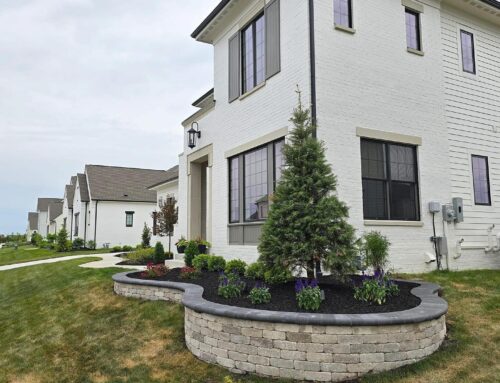
Achieving a balanced design means combining hardscape features (like patios, retaining walls, and walkways) with softscape elements (such as plants, trees, and flowers). The contrast between stone and greenery adds depth and character to your space. Here’s how you can blend the two:
- Hardscape: Create defined areas with features like stone pathways, patios, and built-in seating. Consider adding a fire pit, fountain, or outdoor bar for a focal point.
- Softscape: Frame your hardscape features with lush greenery, colorful flowers, and ornamental grasses. This will soften the look and make the space feel more inviting.

Step 5: Add Lighting and Accessories
The right lighting can completely transform your outdoor living space, extending its use into the evening and highlighting key features. Here are some lighting options to consider:
- String Lights and Lanterns: Create a warm, cozy atmosphere with string lights draped over a pergola or patio. Lanterns add a touch of elegance and can be placed strategically throughout the space.
- Built-In Lighting: Illuminate walkways, stairs, and cooking areas with built-in LED lights. This adds both safety and style to your design.
- Fire Features: Fire pits, fireplaces, and torches not only provide warmth but also act as stunning focal points.
Accessories like outdoor rugs, cushions, and decorative planters can also add a personal touch, making your space feel more like an extension of your home.

Step 6: Plan for Seasonal Use
To make the most of your outdoor space, consider ways to use it year-round. Here are some tips:
- Add a Pergola or Shade Structure: Pergolas provide shade during hot summer days and can be adorned with climbing plants for added beauty.
- Incorporate Heaters or Fire Pits: Make your space cozy during cooler months with outdoor heaters, fire pits, or even a fireplace.
- Use Weatherproof Furniture: Invest in weatherproof furniture and cushions to ensure your space remains comfortable and stylish in any season.
Ready to Bring Your Dream Outdoor Living Space to Life?
Creating an outdoor living space is about more than just aesthetics — it’s about enhancing your lifestyle and adding value to your home. Our team of experienced landscapers is here to turn your backyard into the perfect retreat, whether you envision an outdoor kitchen, a stamped concrete patio, or a cozy fire pit area.
Contact us today to schedule a consultation and start planning your custom outdoor oasis!